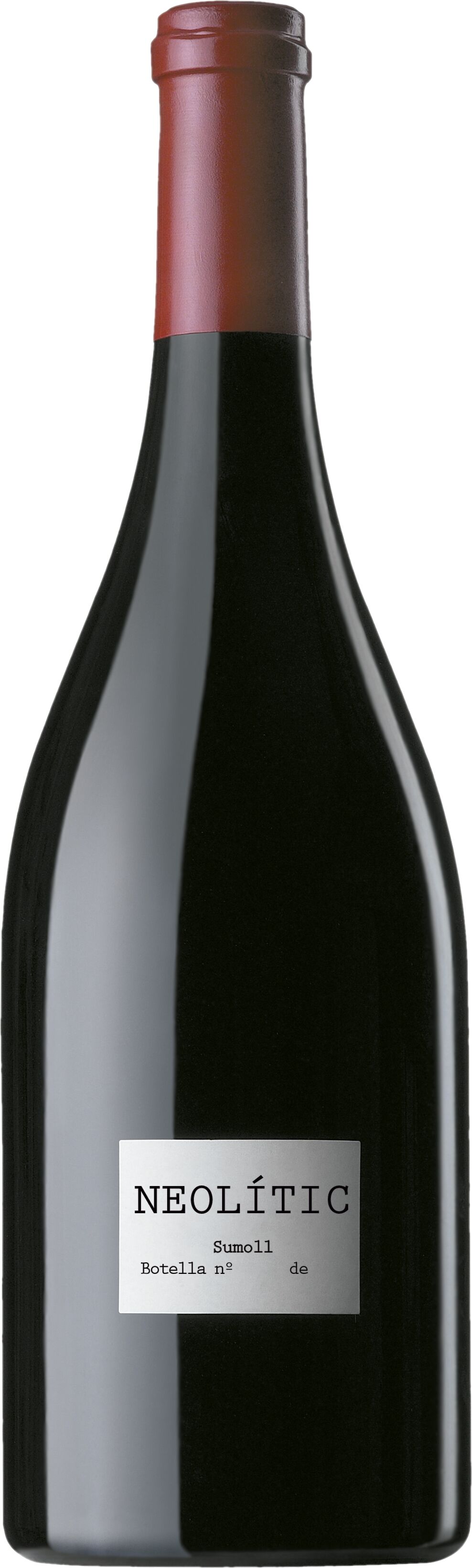
Neolitic Sumoll
33,40 €(26,61 € ALV 0%)
Parés Baltà
Muinaisen lajikkeen vallankumous
- In stock
REGISTER TO ORDER
Direct sales customers with a liquor license can place orders through our online store. Placing orders requires registration.
My account- Spain
- DO Penedès
- Sumoll 100%
- Medium-bodied
- Low tannin
Tarjoile viinin kanssa paahdettua vaalea lihaa, maukasta risottoa tai mausteisia alkupaloja!
Norex Responsibility Meter: Parés Baltà
 Environmental
 Social
 Governance
The responsibility meter is an indicative description of the producer's level of responsibility and is based on Norex's own responsibility survey. Read more on our information pages.
Description
Palaamme Penedèsin viinialueen rustiikkiin ja kevyesti verhoiltuun tanniinien voimaan. Ensimmäinen siemaus tuo sähköisen värähtelyn. Väri- ja punamarjaroiske, joka vangitsee sinut jo ensimmäisellä kulauksella.
Additional information
| Area Classification | DO Penedès |
|---|---|
| Grape varieties | Sumoll 100% |
| Producer | Parés Baltà |
| Vintage | 2022 |
| Sugar | 0.2 g/ltr |
| Alcohol | 12 % |
| Country | Spain |
| Fullness | Medium-bodied |
| Tannins | Low tannin |
| Shutter Type | Natural cork |
| Package size | 75 cl |
| Packaging Type | Glass |
| Bottles per case | 6 |
| Pledge Information | No deposit |
| Norex product number | 173138 |
Parés Baltà
Parés Baltà winery was established back in 1790 and remains a family-owned business to this day. Their wine production is infused with great passion, and the endearing and warm-hearted Cusiné family welcomes all wine enthusiasts to their estate, located just Read moreThe producer's responsibility focus areas
1. Agriculture: biodynamic farming, increasing biodiversity, and placing new vineyards at higher altitudes where a cooler microclimate balances rising temperatures. Additionally, using more local, drought-resistant grape varieties, reducing irrigation to save groundwater, and utilizing forests as carbon sinks.
2. Packaging: lighter bottles to reduce the carbon footprint, using more sustainable capsules and recycled materials.
3. Facilities & logistics: LED lighting and more efficient motors reduce power consumption and increase energy efficiency. Electric and hybrid cars are also in use.