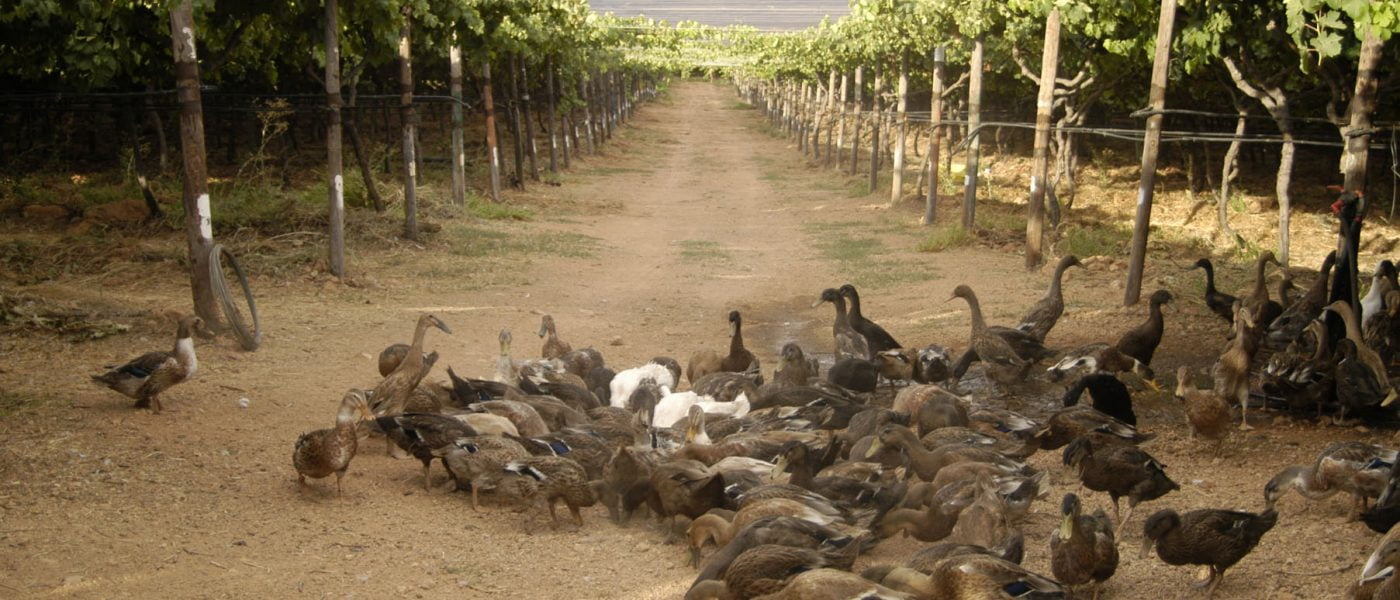
Restaurants are increasingly choosing more ethical drinks for their selections
Green and ethical values are no longer just showcased in strategies and image marketing—words have truly been turned into action. Norex conducted a review of its restaurant sales from this perspective.
In 2020, as much as 42% of the wine volume delivered to our restaurant customers was in some way ethical or aligned with green values. From this we can conclude that sustainability and green values mean a great deal to our customer base. For comparison, we can look at Alko’s figures from the same year. There too, both organically certified and ethical product groups are growing. Organically certified alcoholic beverages increased their volume by 30% and ethical ones by 32% (wines and other drinks are not separated in Alko’s statistics). This shows that consumers are also increasingly choosing their drinks based on precisely these added-value factors.
Especially in wines, we already offer a wide selection of ethical and green options in many different price ranges. Let’s go through briefly what these ethical and green choices actually include.
Organic certifications
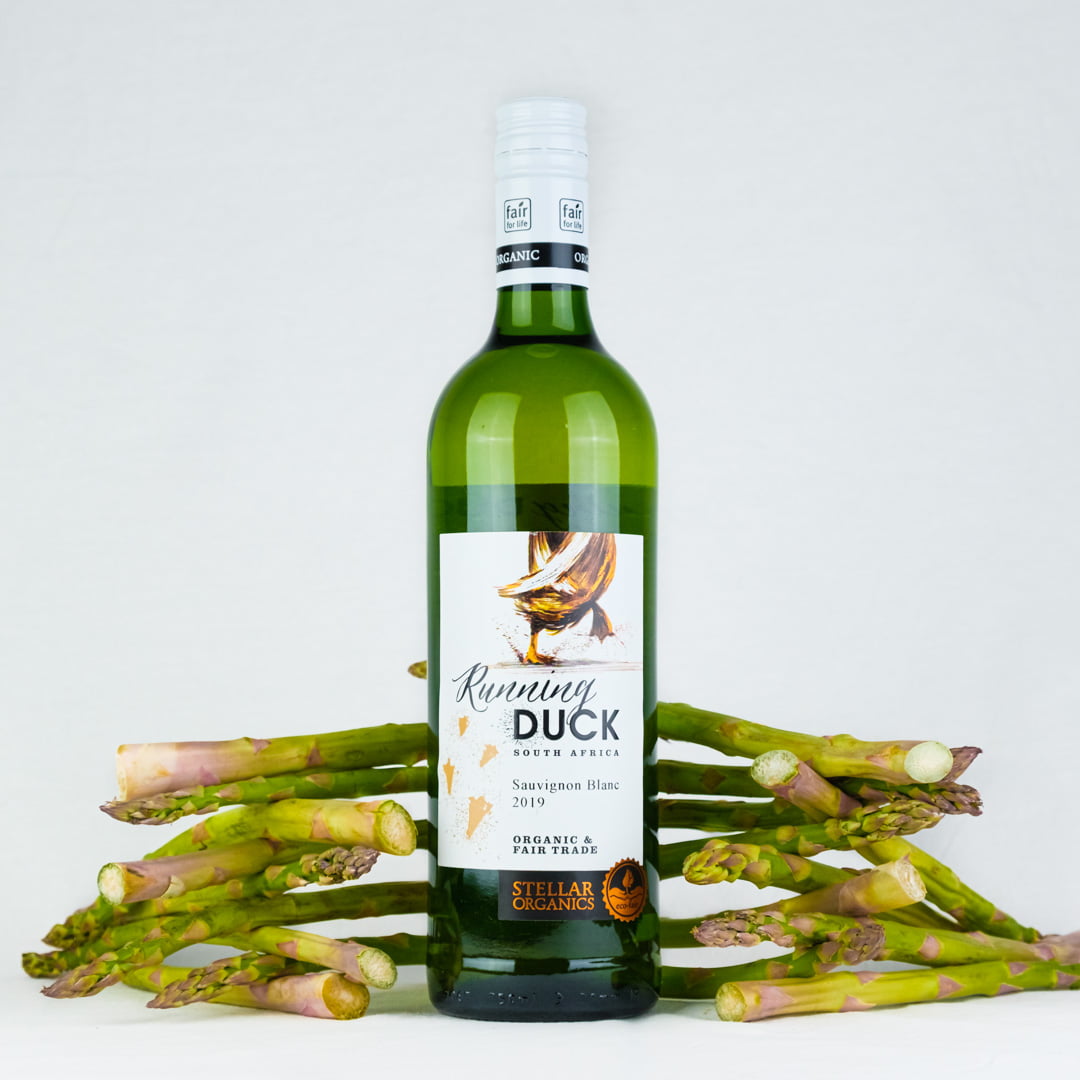
The majority of producers nowadays operate quite naturally, but have not applied for organic certification. There can be various reasons for this, such as perhaps the lengthy certification process, costs, and strict requirements. Or the producer may want to keep all options open if, for example, a plant disease or pest threatens the entire harvest. In such cases, they have the option to use necessary pesticides. However, we usually learn from these producers’ stories that naturalness is important to them.
Certifications are, however, an easy way to verify and confirm that it is definitely a natural alcoholic beverage. You can find these products in our product search by filtering with the organic criterion.
Biodynamics
Biodynamics is based on Rudolf Steiner’s anthroposophical views. It goes even further than organic certification in naturalness and following nature’s cycles. Demeter is the largest body granting biodynamic certifications, and the criteria are the same worldwide. You can explore an in-depth article on biodynamics on the Viikon Viini website: Biodynamic Wines.
In Norex’s selections, biodynamics is embraced by, for example, the South African producer Stellar and the Argentinian Chakana. The Catalan Parés Baltà has also certified its vineyards as biodynamic.
Fair trade
Fair trade and its certifications aim to ensure that ethical business principles are implemented at all stages of the production chain and that everyone receives adequate compensation for their work to live on. There are several certification bodies, and their criteria vary slightly. However, all aim for the same good outcome.
The best-known certificates and logos are Fairtrade, Fair For Life and For Life.
Local certifications

This group covers a diverse range of programs and certifications related to sustainability and environmental protection. Among our products, at least these well-known certifications are familiar:
Integrity and Sustainability (South Africa)
Certified California Sustainable
In Norex’s selections, the Portuguese producer Casa Relvas does a great deal for the environment and sustainable development. They are officially an Earth Friendly Winery.
Veganism
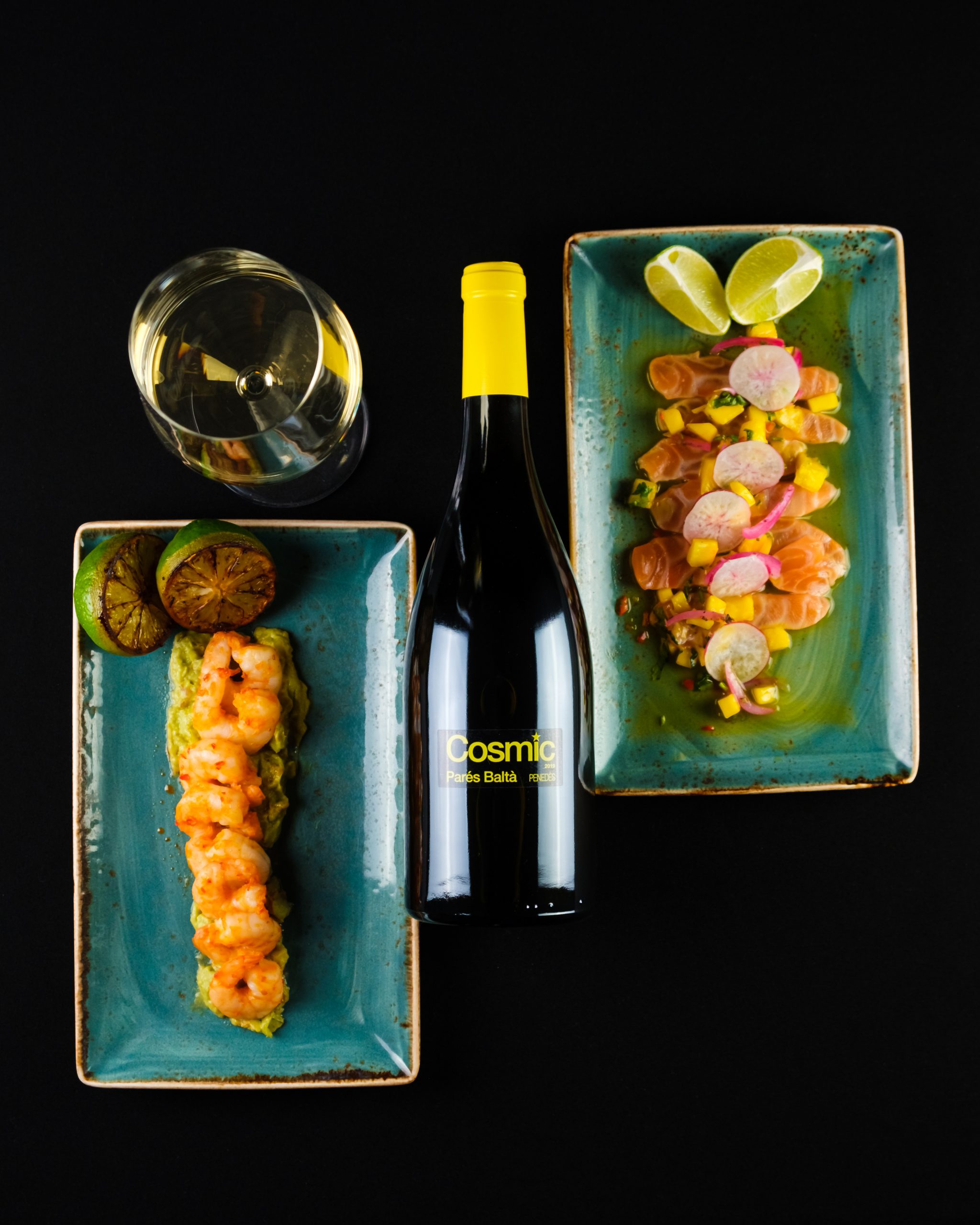
Veganism also belongs to green values. What was once a marginal phenomenon has become commonplace—more and more people are following at least a partially vegan diet. A vegan diet uses only products and ingredients derived from the plant kingdom.
In the case of wines, veganism means that the wine has not been in contact with animal-derived fining agents during the production process, which have traditionally been used in filtration. You can learn more about vegan wines in Viikon Viini’s excellent article on the subject: Vegan Wines.
Environmentally responsible packaging
Environmentally responsible packaging is an easy way to make everyday choices that reduce environmental impact. Alko commissioned extensive studies on the environmental impact of packaging in 2018-2019. In the production chain, the greatest environmental impact comes from manufacturing the packaging. A smaller impact comes from, for example, the product’s logistics journey, although lighter is better there too. Here you can read Alko’s news article on the subject.
At Norex, we follow the limits set by Alko for lightweight glass bottles. For example, a 75 cl wine bottle is a lightweight glass bottle when its empty weight is a maximum of 420 grams. Sparkling wines require thicker glass to withstand the pressure, so for them the upper limit for a lighter bottle is set at 835 grams. For spirits, the maximum weight for a lightweight bottle in the 70 cl size is defined as 450 grams.
Carbon neutrality
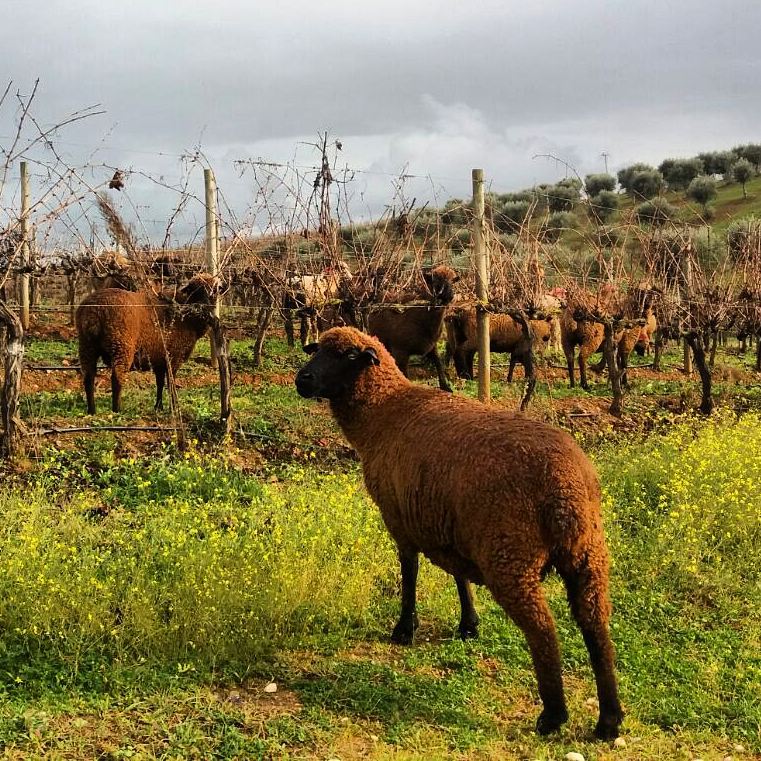
Carbon footprint is already part of everyday vocabulary nowadays. But what does it mean in practical measures? Certifications and practices are a mixed set of criteria. In Norex’s selections, the aforementioned producer Casa Relvas does a lot of work in this area too, and you can see references to carbon footprint on the products as well. You will also find a Carbon Proof certification mark on the labels of the Spanish producer Bodegas Engueran.
Norex wants to continue offering a good selection of responsible and environmentally friendly products and to bring new ones into its range as well. Together towards an ever greener and more ethical future. Thank you to our customers!