Something for Everyone: The Captivating Wines of Catalonia
Located in northern Spain, the autonomous region of Catalonia is a captivating and diverse wine region. Catalonia comprises ten DO-designated areas with geographically defined boundaries.
Among these areas, Penedès is divided into three zones: Alt Penedès, where growing conditions for vineyards are generally the best and grapes used for cava achieve their finest character; Penedès Central, which has the largest production and whose cultivation conditions vary significantly from vineyard to vineyard, producing high-quality wines; and Baix Penedès.
The Penedès region south of Barcelona is home to cava, for example, which is now produced widely throughout Spain. To be sold as cava, it requires at least nine months of cellar aging, which also brings the desired depth to the wine. However, wines are often aged longer than this minimum requirement. Bottle aging also increases the gastronomic potential of the wines.
The initiator of the DO Cava classification was Josep Raventós, whose inspiration was to produce an even better Spanish sparkling wine following in the footsteps of champagne and using its method. Cava and champagne also share the same bottle shape.
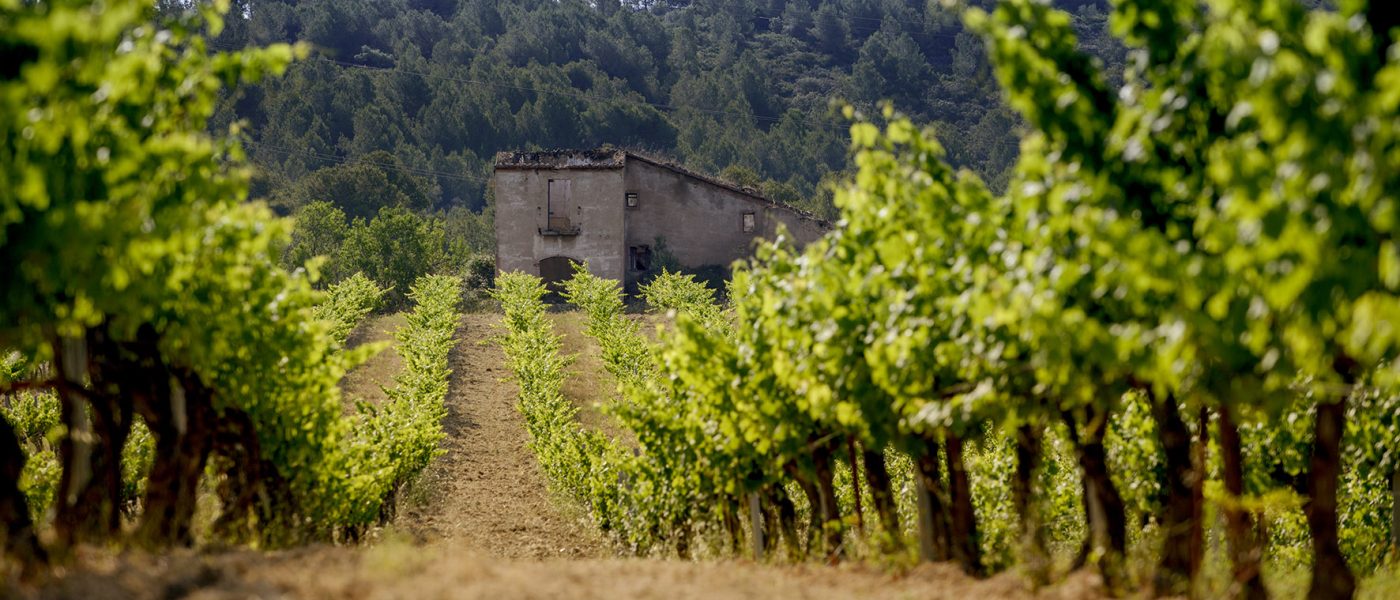
Catalonia’s wine regions are divided according to proximity to the coast or inland location and the altitude of the area. The higher you go, the cooler the conditions. The coolness produces acidic grapes that still have sufficient residual sugar. It is also naturally important to orient the vineyards correctly so that the amount of sunlight is optimal for grape growth. In the Penedès area, the clay soil allows water to pass through well, and the wines are typically aromatic, floral, and characterful.
From Catalonia comes, for example, the producer Parés Baltà, founded in 1790, which has long made wines on nature’s terms and in balance with it. The family business’s entire production is Demeter-certified biodynamic organic production.
What kinds of cavas, red wines, and white wines does Parés Baltà produce?

The Popularity Is No Surprise
Parés Baltà Brut b
One of Finland’s most popular organic sparkling wines, Parés Baltà Brut b is made from Xarello, Macabeo, and Parellada, which are native varieties of Catalonia. Parellada brings elegance and freshness to the wine, Macabeo brings berry notes, and Xarello, as a robust variety, gives the wine body and provides the framework for the other varieties.
The versatile Brut b works beautifully as an aperitif, and it pairs wonderfully with both starters and main courses. It serves excellently with salmon, for example.
Discover Parés Baltà Brut b here.
A Cava with Structure
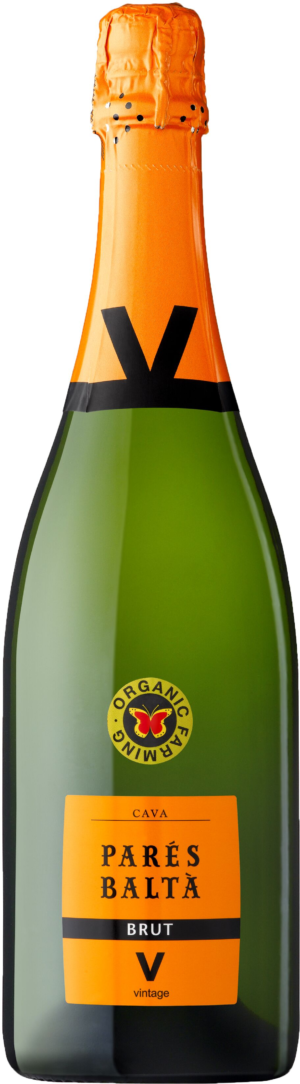
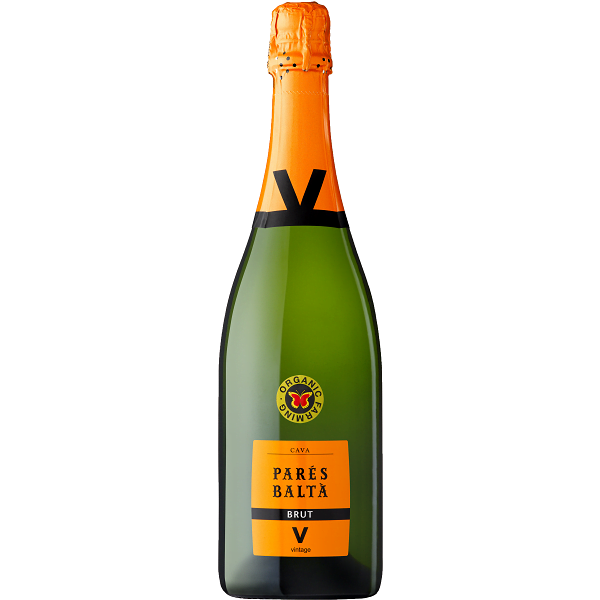
Parés Baltà Brut Vintage v
Parés Baltà Brut Vintage has slightly more residual sugar (6 g/l) than the previously presented Brut b (4 g/l). Although the wine is dry, the residual sugar brings fullness to it, making it a good food wine that also suits more substantial dishes. This juicy fruity, stylishly acidic, and beautifully toasty aperitif is excellent company for tapas, salads, fatty fish, and white meat, for example.
Discover Parés Baltà Brut Vintage v here.

Under Favorable Stars
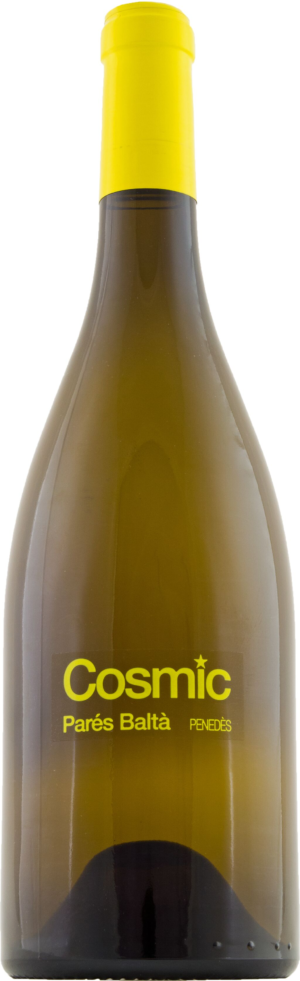
Parés Baltà Cosmic
Parés Baltà Cosmic can be characterized as a varietal wine, as its grape is 85% Xarello, accompanied by 15% Sauvignon Blanc. The grapes have grown high in the Alt Penedès area at about 800 meters above sea level. Xarello is often considered one of Catalonia’s finest varieties, offering freshness and structure. Cosmic has no oak influence, as it is aged in stainless steel tanks, which preserves the wine’s freshness well. The wine has also developed on fine lees for three months with daily stirring of the lees (batonnage).
Cosmic’s name is a tribute to Parés Baltà’s biodynamic production, which follows the phases of the moon, among other things. Excellent company for sushi dishes or grilled fish and with soft cheeses, for example.
Discover Parés Baltà Cosmic here.
Gently Nuanced
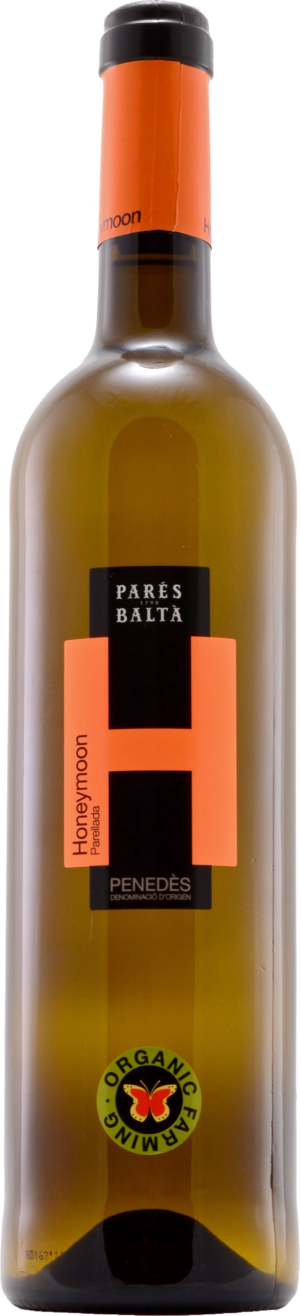
Parés Baltà Honeymoon
The crowd-pleasing Parés Baltà Honeymoon is a clear and straightforward choice. It has 17 g/l of residual sugar, which is still quite close to the dry wine threshold. The wine also has good acidity, which adds freshness.
The residual sugar increases this wine’s possibilities for pairing with different dishes, and salmon or new potatoes are a good match for it, for example. Thanks to the residual sugar, it is also an excellent partner for dishes containing liver.
Discover Parés Baltà Honeymoon here.


Original Garnacha
Parés Baltà Indigena
Parés Baltà Indigena’s grape is Garnacha. The grape tolerates heat and does not lose its acidity even in warm conditions. The grape is pressed gently so that not much tannin is released from the skins and seeds into the wine.
Alcoholic fermentation is slow and takes place at about 20 degrees, and aging uses both new and old French oak, which suits Garnacha well. The wine has received an excellent score from legendary wine critic Jancis Robinson, 17/20 points.
The acidic Indigena goes wonderfully with grilled food, entrecôte, pasta, or pizzas, especially if they contain meat or mushrooms.
Discover Parés Baltà Indigena here.
Microcuvée, Only for the Few
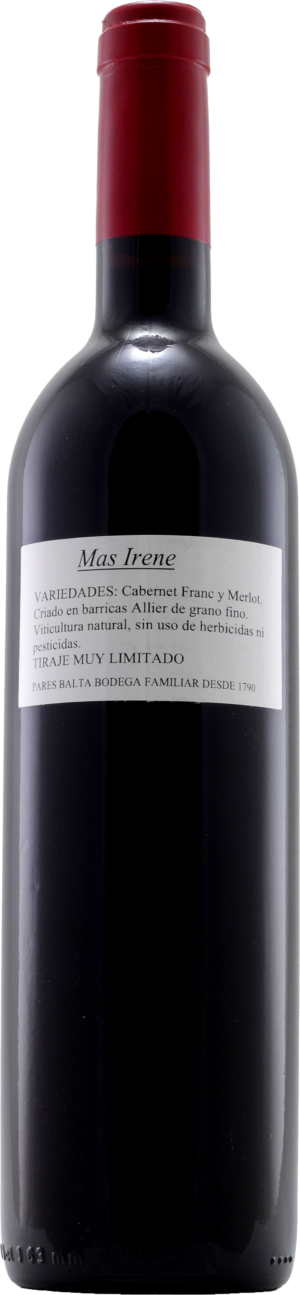
Parés Baltà Mas Irene
The diversity of Catalonian wines is represented not only by native varieties but also by the use of imported varieties in wines. Suitable for demanding wine enthusiasts, Parés Baltà Mas Irene is a blend of the imported varieties Cabernet Franc and Merlot, and the grapes’ growing base is volcanic soil. Not much of this wine is made, and it is produced only in particularly good years.
Merlot brings a touch of smokiness to the full-bodied wine, and the wine has been aged in Allier oak, which brings a hint of sweetness, even though there is very little residual sugar (0.5 g/l).
Mas Irene has roundness and harmony, and the full-bodied wine serves excellently with rich and fatty foods such as deep-fried potatoes or dishes containing mayonnaise. Hard cheeses are also an excellent combination with Mas Irene. This wine is recommended to be decanted before serving.
Discover Parés Baltà Brut Mas Irene here.